 DINSEN IMPEX CORP.
 info@dinsenpipe.com


 Tel:0086-0310-3013689
info@dinsenpipe.com
Tel:0086-0310-3013689
Tel:0086-0310-3013689
info@dinsenpipe.com
Tel:0086-0310-3013689

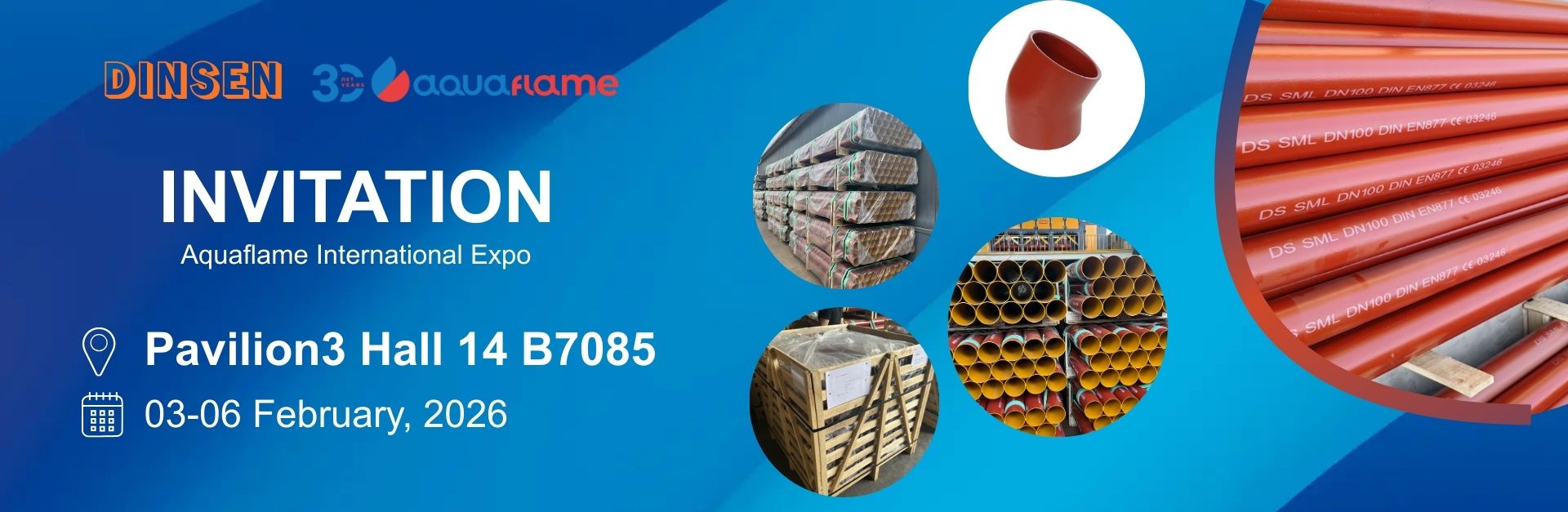
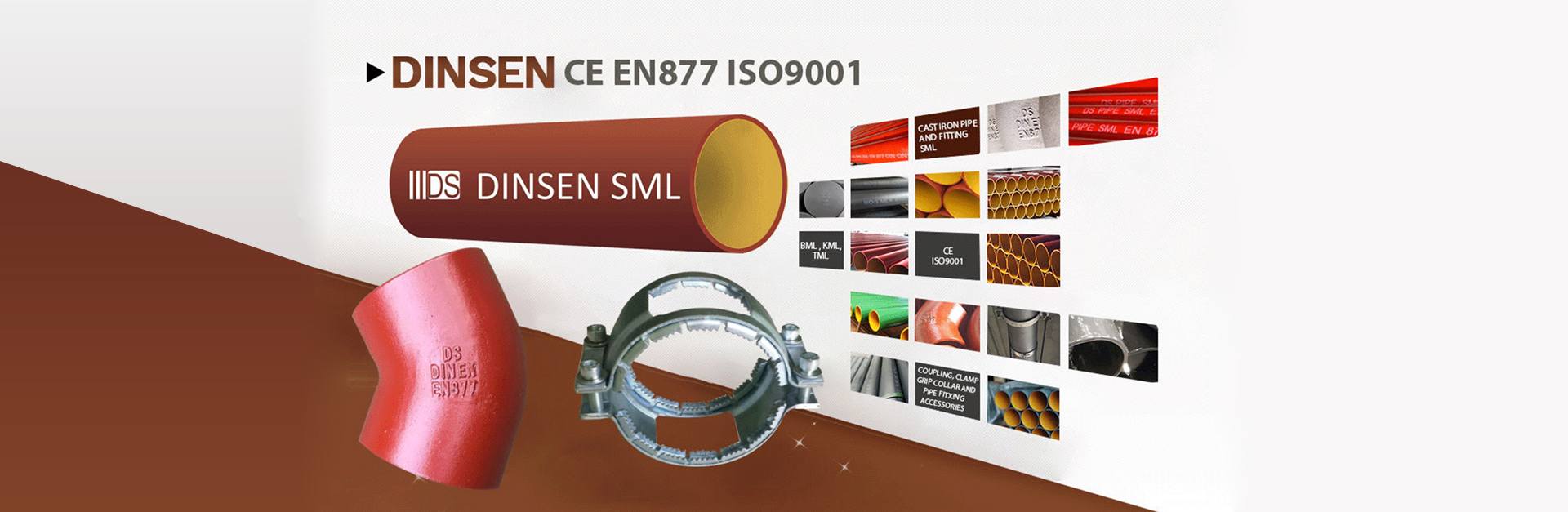
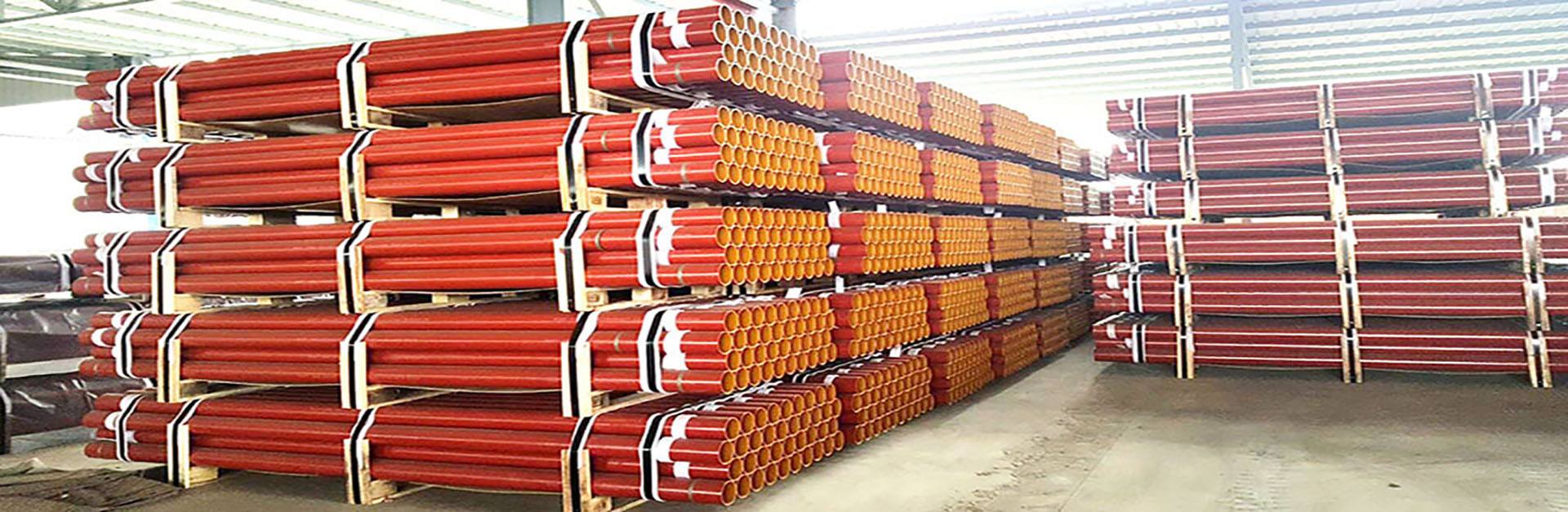
Cast iron drainage pipes are renowned for their superior durability and structural stability, especially in the widespread application of ductile iron pipes. In contrast, while PVC drainage pipes are lightweight and easy to install, they differ significantly in the following key performance aspects:
Durability Comparison: Cast iron piping systems have a service life of over 100 years and excellent anti-aging properties, while PVC pipes are prone to embrittlement under long-term UV exposure and chemical treatments.
Pressure Resistance: Cast iron pipes have outstanding pressure resistance, making them particularly suitable for drainage systems in high-rise buildings.
Fire Resistance: Cast iron pipes meet Class A non-combustible standards, while PVC pipes require the addition of flame retardants and produce toxic gases when exposed to fire.
Sound Insulation: The dense structure of cast iron pipes results in drainage noise that is 10-15 decibels lower than that of PVC pipes, making them the preferred choice for high-end residences, hospitals, and hotels.
Cast iron pipes are mainly used in:
High-rise building drainage systems
Underground pipe network projects
Industrial wastewater discharge
Underground pipelines in heavy traffic areas
Public buildings with strict fire protection requirements
PVC pipes are suitable for:
Low-pressure residential drainage systems
Temporary building drainage
Light-duty drainage applications
Regular projects with limited budgets
Choosing DINSEN piping means choosing not only superior product performance, but also investing in the long-term safety and stable value of your building. We invite you to visit and experience firsthand the performance differences between DINSEN cast iron and PVC pipes in practical applications, enabling you to make informed material decisions for your next project.